
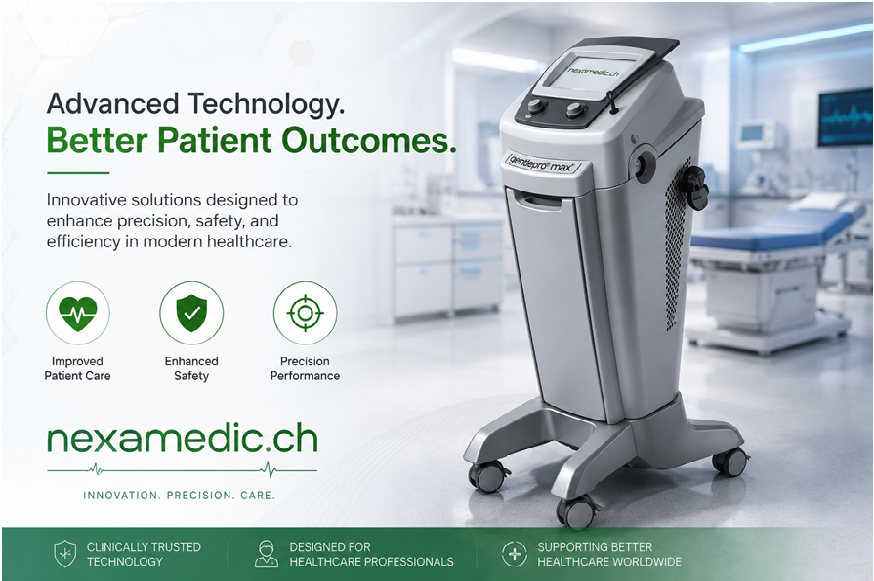
How an Angiography Device Supplier Supports Accurate Vascular Diagnosis
Accurate vascular diagnosis really depends on clear imaging, dependable equipment and a kind of well planned clinical support. In hospitals and specialist centres, angiography can help clinicians judge blood vessels more confidently, spot obstructions, check circulation, and decide treatment with a bit more precision. When the right devices show up at the right time, medical teams can move with less hesitation, especially during procedures where speed matters, along with visual clarity, and safety, too, not just doing it.
For healthcare providers, product choice is not only a technical thing. It also touches workflow, preparation routines, patient comfort and even diagnostic consistency. A reliable supplier makes it easier for clinical teams to get angiography equipment that actually fits their needs while also matching the day-to-day realities of vascular care. So choosing the supplier is a meaningful step for improving diagnostic quality and reinforcing the overall level of specialist treatment.
Angiography Device Support for Clearer Diagnosis
An experienced angiography device supplier supports accurate vascular diagnosis by helping healthcare teams pick devices that fit their clinical environment, imaging method, and procedural needs. Angiography is often used to appraise arteries, veins, and blood flow, so product reliability matters a lot, like seriously. When the devices do the job the same way, day after day, clinicians can interpret images with more confidence and make decisions that are better grounded.
Solid angiography support also helps reduce that pre-procedure confusion. Medical teams often need products that are compatible, simple to handle, and ready to go when scheduled procedures start. A supplier who understands vascular imaging can help facilities choose suitable injectors, accessories, and other related items, too. In the end, this boosts procedural readiness and lets clinicians focus more completely on diagnosis, planning, and patient care.
Vascular Imaging Accuracy Depends on Product Quality
Vascular imaging really needs clarity, because even tiny details can sway diagnosis and treatment choices. When the product doesn’t perform well, it may impact image quality, procedure timing, or even staff confidence in a pretty direct way. With better angiography devices, clinicians can often see the vessel structure more sharply, judge any narrowing or blockage, and get a better feel for the vascular pathway condition before they decide what the next clinical step should be.
Product quality also plays a role in how smoothly teams run diagnostic procedures. If the devices are dependable, the staff can handle injections, imaging sequences and the overall workflow with fewer pauses. That helps keep results more steady across different patients and different cases. In specialised vascular environments, this kind of steadiness matters even more, since diagnosis tends to steer urgent or complicated treatment decisions, where delays that can be avoided should be reduced.
Medical Device Planning Improves Clinical Flow
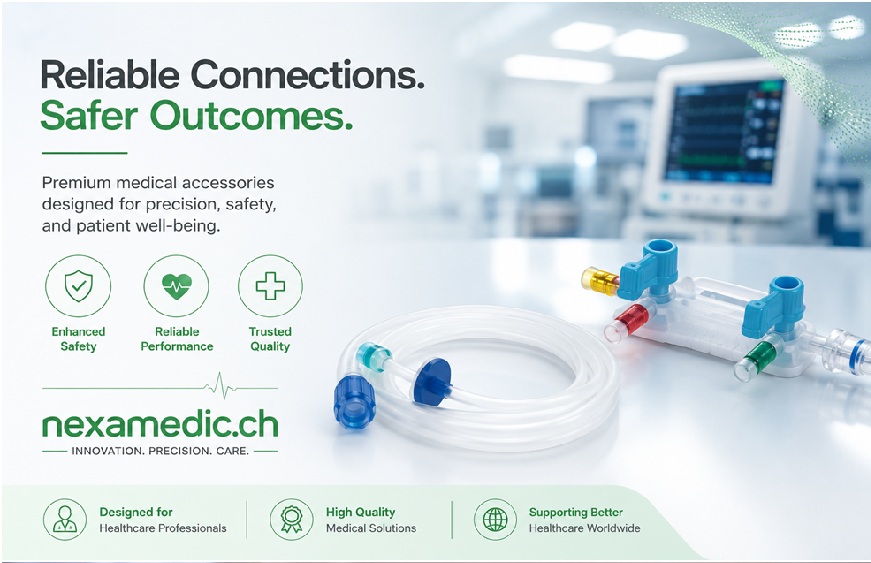
Strong medical device distribution actually helps hospitals and clinics keep access to the exact products they need for planned as well as urgent vascular interventions. Angiography departments cannot really bet on supply chains that are uncertain because diagnostic schedules usually touch multiple teams, different rooms, and shifting patient pathways. So when distribution is handled properly, clinical staff can get ready with more confidence and with fewer real-world delays.
There’s also the planning side that protects the broader care process, not just the day of the procedure. If a device shows up late, or an accessory is missing, or the product is not quite aligned for the case, it can throw off appointment timing, complicate staff coordination, and even strain the patient experience. With dependable distribution, product availability stays connected to clinical demand, and procurement teams face less last-minute pressure. That kind of rhythm creates a steadier setting where vascular diagnosis can go forward with better organisation and less disruption.
Reliable Device Access Supports Specialist Teams
Specialist vascular teams often end up in really complicated situations where “product readiness” is basically everything, you know. In those moments, they might ask for very specific angiography device options, contrast-related systems, procedural kits or all sorts of add-ons, depending on the patient’s state and the diagnostic pathway they’re following. A solid angiography device supplier makes it easier to have those items on hand, in the right configuration, and with helpful guidance, when the clinical group actually needs it, not later.
Also, steady access tends to make communication a lot less messy between procurement staff and the clinical users. When suppliers take time to understand what radiologists, vascular specialists, and interventional teams require, they can deliver more practical support around the product. That way, facilities can avoid the wrong selection, and specialist services keep moving with less interruption. Over time, improved availability supports better imaging results and more reliable patient-care pathways, sort of like a feedback loop.
Distribution Quality Reduces Operational Pressure
Medical Device Distribution works best when it actually supports day-to-day healthcare operations, not just when it arrives with products. Hospitals and clinics need dependable stock on hand, clear product information, careful coordination, and a real helping hand when demand starts to shift. In vascular diagnosis, where planned procedures and urgent cases might overlap, a solid distribution routine helps teams stay ready without that extra administrative pressure, which none of us really want.
Also, it boosts purchasing confidence in a very direct way. Healthcare providers can make smarter choices when they have a grounded view of what is available, what the delivery timeline looks like, and what support options are still active or available. When the supplier is steady and communicative, it becomes easier to protect supply continuity and to lower the risk of product shortages. For speciality departments, this kind of arrangement can free up time for clinical quality improvements instead of spending effort on repeated supply worries.
Better Equipment Choices Improve Patient Experience
Patients may not see the technical planning behind angiography, but they feel the outcome through smoother preparation, clearer communication, and fewer avoidable delays. When equipment is suitable and available, teams can manage procedures with greater confidence. This helps create a calmer patient journey, especially for people who may already feel anxious about vascular imaging.
A better patient experience also comes from efficient clinical coordination. If staff are not distracted by missing products or equipment uncertainty, they can explain procedures more clearly and respond to patient needs more attentively. Good device selection therefore supports both diagnostic quality and patient comfort. It helps healthcare environments feel more organised, professional, and reassuring.
Supplier Knowledge Strengthens Clinical Confidence
Choosing angiography devices requires more than reviewing product lists. Healthcare providers must consider imaging needs, procedure types, compatibility, safety requirements, staff handling, and long-term service expectations. A knowledgeable supplier can help clinical and procurement teams compare options more clearly, understand practical differences, and select products that match their diagnostic goals.
This guidance is valuable because vascular care often involves precise judgement. The right device support gives teams greater confidence before, during, and after diagnostic procedures. Suppliers with strong product understanding can help facilities plan responsibly, avoid poor-fit purchases, and maintain better continuity. Their expertise becomes part of the wider system that supports safe and accurate care.
Long-Term Partnerships Support Vascular Services
Vascular diagnosis is not a one-time requirement for healthcare facilities. Hospitals and specialist centres need continuous access to dependable products, updated technologies, support information, and supplier communication. A long-term partnership helps teams respond to changing demand, improve purchasing decisions, and maintain standards as clinical services develop over time.
Strong partnerships also support better accountability. When suppliers understand a facility’s clinical priorities, they can respond with more relevant advice and practical solutions. This reduces guesswork and builds trust between procurement teams and healthcare professionals for vascular services, which is why trust matters: accurate diagnosis depends on reliable products, organised preparation, and consistent supply performance.
Conclusion
Accurate vascular diagnosis kind of rests on dependable devices, solid imaging support, careful supply planning, plus supplier knowledge that matches how things really play out in clinical life. Healthcare providers really need angiography solutions that let teams move smoothly, while still backing patient safety and diagnostic confidence. When access to the right product and professional guidance come together in a clean way, hospitals and clinics can reinforce vascular care, even with fewer disruptions and fewer last-minute surprises.
Nexamedic helps healthcare providers through angiography devices, medical device distribution, and specialist supply guidance, for professional clinical environments, kind of. They focus on good quality products, dependable service, and practical know-how, so they become a suitable partner for hospitals, clinics, and vascular care teams that want to boost diagnostic accuracy while still keeping the workflow efficient and patient-centred.
Frequently Asked Questions
Question: Why is angiography important for vascular diagnosis?
Answer: Angiography helps clinicians view blood vessels, assess circulation, and detect narrowing, blockages, or abnormalities. It supports clearer diagnosis and helps specialists plan suitable treatment. Accurate angiography can improve confidence in clinical decisions, especially in complex vascular cases.
Question: What should hospitals look for in angiography devices?
Answer: Hospitals should consider image support, device reliability, compatibility, ease of use, procedural requirements, and supplier guidance. The right device should support accurate diagnosis without adding unnecessary complexity to clinical workflows.
Question: How does supplier support improve angiography services?
Answer: Supplier support helps healthcare teams choose suitable products, understand device applications, plan stock, and maintain access to important accessories. This reduces uncertainty and helps vascular departments work with better preparation and confidence.
Question: Why does distribution matter in specialist care?
Answer: Specialist care often depends on precise products being available at the right time. Reliable distribution reduces delays, supports urgent and planned procedures, and helps clinical teams maintain smooth workflows in demanding healthcare environments.
Can better angiographic equipment improve the patient experience?
Answer: Yes, better equipment can support smoother procedures, clearer planning, and fewer avoidable delays. When teams have reliable devices and organised support, patients often experience a more professional, calmer, and better-managed diagnostic process.
