
What Ketamine Therapy Providers Need to Know to Attract the Right Patients

In recent years, the field of mental health has witnessed a remarkable transformation, with ketamine therapy emerging as a promising intervention for treatment-resistant depression, post-traumatic stress disorder (PTSD), and other chronic mood disorders. Once relegated to the domains of anesthesia and, more controversially, recreational use, ketamine has now been proven in numerous clinical studies to offer potentially life-changing benefits for individuals who have not found relief through conventional therapies.
But with the growing public and clinical interest in ketamine-assisted psychotherapy (KAP) and intravenous (IV) ketamine infusions comes a new set of challenges for therapists, psychiatrists, and mental health clinics: How do they ensure they are reaching, educating, and attracting qualified patients who will genuinely benefit from this innovative treatment? And how can they stand apart in a crowded marketplace, where skepticism, misconceptions, and misinformation abound?
This article explores the therapeutic promise of ketamine, the types of patients who are best suited for ketamine therapy, and most importantly for clinics and providers, what strategies they can use to connect with and serve those who need these services most. Drawing on current research, expert opinion, and best practices from the field, we offer a practical roadmap for mental health professionals and clinic owners wanting to make a difference in the age of psychedelic medicine.
Understanding Ketamine Therapy: A New Paradigm in Mental Health Treatment
Ketamine was first synthesized in the 1960s as a dissociative anesthetic, widely used in surgical and emergency medicine. Decades later, researchers and clinicians began to investigate its remarkable—sometimes rapid—antidepressant effects, particularly for patients unresponsive to traditional therapies such as selective serotonin reuptake inhibitors (SSRIs), cognitive behavioral therapy (CBT), or even electroconvulsive therapy (ECT).
How Does It Work?
While the exact mechanism is still being researched, ketamine is believed to function primarily by blocking NMDA receptors for the neurotransmitter glutamate in the brain. This action is thought to create a surge of glutamate that results in a cascade of neural activity, promoting synaptic plasticity, restoring neural connections, and ultimately leading to rapid improvements in mood. Unlike most antidepressants that can take weeks to become effective, ketamine—particularly when administered via intravenous infusions or intranasal routes—can bring relief within hours or days.
Indications for Ketamine Therapy
Ketamine is not a first-line treatment. Its best candidates are individuals with:
- Treatment-resistant depression (TRD)
- Major depressive disorder (MDD)
- Bipolar depression
- Chronic suicidal ideation
- PTSD and certain anxiety disorders
Because ketamine has dissociative properties and potential for misuse, it is most safely administered in a clinical setting, supervised by mental health professionals and medical doctors who can screen for contraindications and integrate its effects into ongoing therapy.
The Challenges of Reaching Qualified Patients
As more clinics offer ketamine-assisted therapy, the need to attract qualified, informed, and appropriate patients becomes critical. Simply advertising the service risks attracting those seeking experimental or recreational experiences, or individuals whose conditions are unsuitable for this treatment.
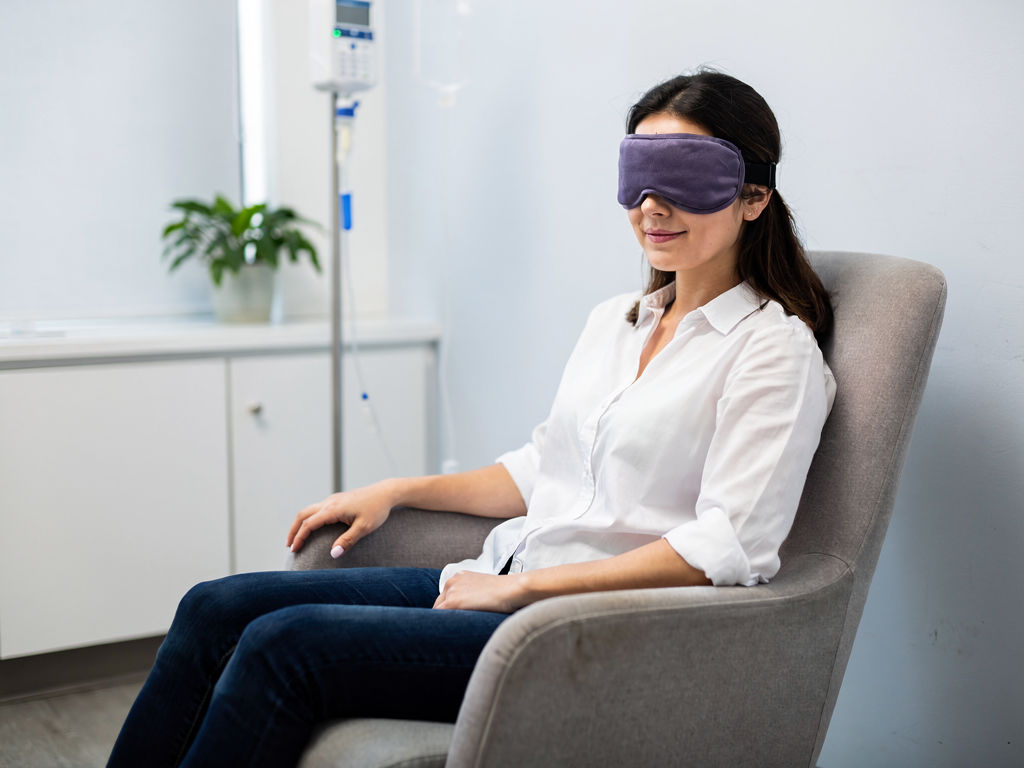
Providers must balance education, ethical marketing, and patient safety. That’s why understanding the patient journey and the decision-making processes of those seeking relief from mental health conditions is so important.
Common Patient Concerns
- Safety: Is ketamine therapy safe? How is it monitored?
- Efficacy: Does this work? What does the latest science suggest?
- Stigma: Will I be judged for considering psychedelic therapy?
- Cost: Is ketamine therapy covered by insurance? What are the out-of-pocket costs?
- Qualifications: Who is eligible? What are the screening protocols?
Building Trust: Education as the Cornerstone
A robust patient outreach strategy starts with patient education. This not only increases public understanding but reinforces your clinic’s credibility and responsibility. Here are several practical approaches:
1. Publish Comprehensive, Accessible Content
Websites, blogs, and downloadable resources play a vital role in explaining the science, indications, and risks/benefits of ketamine therapy. Topics might include:
- How ketamine therapy works
- Who is likely to benefit
- The integration process (how therapy and medication work together)
- Realistic expectations for outcomes
- Frequently asked questions (FAQs) and case studies
Not sure where to start?
Visit this comprehensive guide to attracting ketamine therapy patients for a blueprint on the kind of educational content patients are searching for, and how to present it effectively.
2. Utilize Multiple Media—Videos, Testimonials, and Webinars
People learn in different ways. Supplement written content with:
- Short, informative videos featuring clinicians discussing ketamine therapy
- Webinars or live Q&A sessions for potential patients to engage directly
- Patient testimonials (with consent), sharing real-world stories
3. Transparent Screening and Intake Processes
Clarity about the screening process goes a long way toward reassuring prospective patients and filtering out unqualified leads. Detailing intake evaluations, medical screening, concurrent psychiatric support, and aftercare can increase trust and reduce patient anxiety.
Digital Marketing for Ketamine Clinics: Strategies That Work
Effective marketing is not just about filling chairs. It’s about attracting the right people, building ongoing relationships, and maintaining compliance with all medical and advertising regulations.

1. Search Engine Optimization (SEO): Attracting Informed, Motivated Patients
Most patients and their families begin their journey online. Your digital presence, optimized for relevant search terms, ensures they find your clinic, not just your competitors. Effective SEO strategies include:
- Content marketing: In-depth articles, treatment guides, and therapy comparisons
- Keyword optimization: Focus on terms like “ketamine therapy for depression,” “ketamine clinics near me,” and condition-specific searches
- Local SEO: Ensure your clinic appears in local search results and Google Maps
- Quality backlinks: Partner with reputable therapy and healthcare blogs to boost domain authority (like this post!)
2. Educational Advertising and Social Proof
While Google and Facebook have strict guidelines on medical advertising, clinics can still leverage paid search and social media by focusing on education over promotion:
- Run ads promoting free webinars, downloadable eBooks, or consultation calls
- Use retargeting for site visitors who have shown intent (e.g., downloaded a guide or spent time on FAQ pages)
- Collect and share reviews from verified patients (while maintaining HIPAA compliance)
3. Build Partnerships With Therapists and Physicians
Many ketamine patients are referred by primary care doctors, psychiatrists, or psychotherapists. Cultivate relationships with local professionals by:
- Hosting informational sessions for medical and mental health providers
- Offering referral bonuses or streamlined communication for shared patients
- Providing resources explaining which of their patients might benefit most from a referral
Choosing the Right Ketamine Therapy Provider: Patient Viewpoint
Patients considering ketamine therapy face an overwhelming array of providers, modalities, and promises. To help patients choose wisely, clinics should communicate these key points:
- Clinical oversight: Is your team led by board-certified psychiatrists or anesthesiologists?
- Therapeutic context: Will sessions include integration with a psychotherapist, or is the focus only on medication?
- Safety protocols: How are adverse effects managed? Is the facility equipped for emergencies?
- Outcomes tracking: How do you measure success and adapt treatment plans?
From a psychological perspective, as discussed by experts like Catherine La Psy, the therapeutic alliance, or the relationship between patient and therapist or medical provider, is one of the strongest predictors of positive outcomes. Patients should feel safe, unjudged, and respected at all stages of their journey. For therapists and clinics, building trust and rapport should be at the foundation of any communication or marketing effort.
Navigating Red Flags—For Patients and Providers Alike
Ketamine’s new popularity also comes with risks of exploitation and misinformation. Patients and referring clinicians should be wary of:
- Providers promising 100% cure or guaranteed results
- High-pressure upselling or demands for large upfront payments
- Poorly defined screening procedures, or lack of clear guidelines for integrating ketamine with existing therapy
Providers, meanwhile, should be mindful of the limits of ketamine therapy and the risks of attracting the wrong patient population—those with active psychotic disorders, uncontrolled substance abuse, or complex medical contraindications.
Seizing the Opportunity—Responsibly
Ketamine therapy presents one of the most exciting advances in mental health care of the 21st century. But its promise can only be realized if patients and providers connect ethically, informed by science and compassion. For clinics wishing to thrive, the path forward isn’t aggressive self-promotion but thoughtful education, empathy, and collaboration with both patients and the broader clinical community.
As more people search for answers in the face of chronic mental illness, your clinic can be a beacon of hope—if you meet their needs with integrity, safety, and substance. For a deeper understanding of how your clinic can attract and serve the most qualified ketamine therapy patients, review A Comprehensive Guide to Attracting Qualified Ketamine Therapy Patients. It’s a resource that’s helping both clinics and patients find the right match in this new era of psychiatry.
